Review
HJOG 2026, 25 (4), 315-334 | doi: 10.33574/hjog.0639
Abhijit Dutta1, Mannat Sahu2, S. Jayakumari3, Vivek Kumar Jha4, K.S.Sridevi Sangeetha5, Rajkumar Krishnan Vasanthi6, Kambam Jessica Reddy7, Kumaraswamy Dabburu8
1Royal School of Medical and Allied Sciences, The Assam Royal Global University, Betkuchi, Guwahati, Assam, India
2Bridgetown International University School of Medicine, Barbados
3Department of Anatomy, Sree Balaji Medical College and Hospital, Chrompet, Chennai, India
4Department of Audiology and Speech Language Pathology, School of Allied Health Sciences, Shree Guru Gobind Singh Tricentenary University, Gurugram, Haryana, India
5Department of Pharmacology, Meenakshi College of Allied Health Sciences, Meenakshi Academy of Higher Education and Research, Chennai, India
6Faculty of Health and Life Sciences, INTI International University, Nilai, Negeri Sembilan, Malaysia
7Bridgetown International University School of Medicine, Barbados
8Department of Pharmacology, Bridgetown International University, Barbados
Correspondence: Dr. Kumaraswamy Dabburu, Professor, Department of Pharmacology, Bridgetown International University, Barbados. Email: kumaraswamydabburu@gmail.com

Abstract
Postpartum depression (PPD) remains a major public health and psychiatric concern, persisting as an underdiagnosed and insufficiently managed condition despite advancements in global healthcare systems. Clinically, PPD typically manifests within the first four weeks to one year postpartum and is characterized by persistent low mood, anhedonia, appetite disturbances, and sleep dysregulation. The postpartum period increases vulnerability to depression. Previous reviews focused on epidemiological patterns and clinical presentations, with limited focus on underlying neurobiological mechanisms and evolving therapeutic modalities. Notable gaps include inadequate integration of hormonal fluctuations, genetic susceptibility, and neurochemical alterations implicated in PPD pathophysiology, as well as insufficient evaluation of emerging pharmacological and digital interventions. Such limitations have constrained mechanistic understanding and hindered the development of optimized, individualized treatment strategies. The present review addresses these deficiencies by providing a comprehensive and multidisciplinary synthesis of contemporary evidence. It encompasses epidemiology, hormonal insights, genetic contributions, diagnostic considerations, and the multifaceted effects of PPD. It also examines pharmacological, psychological, and non-pharmacological treatments, including cognitive behavioral therapy, interpersonal psychotherapy, social support frameworks, technology-assisted interventions, internet-based and digital mental health platforms, gaming applications, and complementary approaches.
Keywords: Postpartum depression, Neurobiology, Hormonal pathways, Genetics, Digital interventions, Cognitive behavioral therapy.
Introduction
Reported prevalence varies considerably, affecting up to approximately 45% of individuals in lower-income settings compared with about 10% in higher-income regions. When untreated, PPD can have serious and lasting consequences for both mother and child, influencing emotional well-being, bonding, and overall development. The condition typically emerges anytime between the first four weeks and up to one year following childbirth. The period immediately after childbirth represents a phase of increased psychological susceptibility, during which women are at increased risk for developing depressive symptoms [1]. Clinical observations suggest certain phenomenological differences: feelings of guilt and psychomotor agitation tend to be reported more frequently in PPD cases, whereas suicidal ideation and behavior appear to occur less often compared with depressive episodes arising at other stages of a woman’s life. Postpartum depression is associated with several well-established risk factors. A familial predisposition to mood disorders and an individual’s prior history of major depressive episodes significantly elevate vulnerability. The presence of depressive symptoms during pregnancy is also a strong predictor of postpartum onset. Interpersonal strain within the marital or partner relationship contributes to increased risk. External stressors related to infant care particularly when the newborn experiences medical complications further increase the probability of developing PPD symptoms. Management includes pharmacologic and non-pharmacologic approaches. While antidepressant medications are an established component of therapy, many mothers express reservations regarding their safety profile, particularly during breastfeeding. Misconceptions and inconsistent information about the use of antidepressants have further discouraged from considering pharmacological intervention. non-pharmacologic strategies, especially psychotherapeutic modalities such as cognitive behavioral therapy and interpersonal therapy, tend to be more readily accepted among mothers.
Methodology
A comprehensive search of electronic databases, including PubMed, Scopus, and Web of Science, was undertaken for this narrative review. Relevant literature was identified using a combination of the following keywords: postpartum depression, postnatal depression, non-pharmacological interventions, cognitive behavioral therapy, psychotherapy, interpersonal psychotherapy, IPT, digital mental health, peer support groups, exercise, acupuncture, infant massage, newborn massage, transcranial magnetic stimulation, and light therapy.
Inclusion and exclusion criteria
The eligibility criteria encompassed studies published in peer-reviewed journals, published in English, and specifically addressing PPD in the context of non-pharmacological interventions. Publications dated between 2020 and 2025 were considered. In addition to database searches, manual reference checks were undertaken to identify further relevant literature. The review incorporated original research articles, randomized controlled trials (RCTs), systematic reviews, and meta-analyses. Only studies examining non-pharmacological approaches for managing PPD were included in the narrative synthesis, while all others were excluded. Exclusion criteria comprised duplicate records, studies appearing in non-peer-reviewed sources, articles published in languages other than English, and papers with unavailable full texts.
Epidemiology
Despite the tendency for mental health concerns to receive lower priority in low-income countries where inconsistent access to nutrition and basic medical care dominates public health agendas and available evidence indicates that postnatal depression (PND) may be both more prevalent and more severe among women and their children in these settings. Data from resource-limited contexts, though still sparse, suggest that depressive symptoms affect more than one quarter of mothers with young infants, with reported prevalence reaching as high as 65% in certain populations. An interplay of cultural norms, interpersonal dynamics, and socioeconomic hardship appears to increase vulnerability to PND. Reported prevalence of PPD differs across global contexts, with estimates ranging from approximately 7–13% in high-income countries to over 25% in certain low- and middle-income settings [2]. Some studies suggest onset may occur during pregnancy. The most consistently identified and robust risk factor is a personal history of mood or anxiety disorders, whether occurring during the perinatal period or at other times, particularly when symptoms are present during pregnancy. Familial aggregation has also been observed, with increased risk among women whose mothers or sisters have experienced PPD. Given that many of these determinants are shared within couples, the likelihood of concurrent depression in both parents is consequently elevated [3].
Hormonal insights
In the post‑delivery period and removal of the placenta, concentrations of estrogen and progesterone decline precipitously, typically returning to pre-pregnancy levels by approximately the fifth postpartum day. Several other hormones, including beta-endorphin, human chorionic gonadotropin (hCG), and cortisol, progressively increase throughout gestation, peak near term, and then fall rapidly after childbirth [4,5]. Experimental animal data suggest estradiol enhances serotonergic neurotransmission by promoting serotonin synthesis and limiting its degradation [6-8], leading to the hypothesis that the abrupt postpartum fall in estradiol contribute to depressive symptoms. studies have not demonstrated significant differences in the magnitude of change in total estradiol or free estriol between women with and without postpartum depression. The biologically active unbound fraction of estradiol remains insufficiently studied in this context.
Undergo postpartum fluctuations but have not been systematically evaluated in relation to postpartum depression [9, 10]. While vasopressin regulates hemodynamic and electrolyte balance; reduced urinary vasopressin has been observed postpartum, though without concurrent mood assessment [11]. Cortisol concentrations, elevated in late pregnancy due to placental corticotropin-releasing hormone (CRH) production, decline abruptly after delivery [12]. Prospective investigations controlling for lactation and psychosocial variables have not found associations between cortisol indices and postpartum mood, suggesting cortisol is unlikely to play a primary etiological role.
The marked endocrine transitions of the postpartum period have prompted hypotheses of hormonal influences in postpartum mood disorders. methodological limitations including inadequate control for breastfeeding status, diurnal variation in hormone secretion, seasonal effects, maternal sleep deprivation, and medication use have contributed to inconsistent findings. Cutting-edge work with extracellular vesicle mRNAs aims to detect brain-derived genetic signatures in blood that correlate with depression risk, potentially creating a noninvasive diagnostic blood biomarker. Beyond biomarkers, interdisciplinary innovations include AI-augmented screening techniques combining molecular data with machine learning to enhance early detection and personalized care pathways [13, 14].
Genetics
Genetic influences are increasingly recognized as important contributors to the pathophysiology of PPD. Evidence from family aggregation and twin studies indicates that PPD demonstrates familial clustering, supporting a heritable component. Investigations of candidate genes have revealed associations with polymorphisms previously linked to major depressive disorders outside the perinatal period, including the Val66Met variant of the brain-derived neurotrophic factor (BDNF) gene. Genome- wide studies have identified several susceptibility loci as well as variations in the Hemicentin-1 (HMCN1) gene, which contains multiple estrogen-responsive binding sites [15]. Collectively, these findings suggest that specific genetic variations may increase vulnerability to PPD. Recent innovations in the genetics of PPD include large meta-analyses of genome-wide association studies (GWAS) that confirm PPD is polygenic and heritable, with significant genetic correlations to major depressive disorder, bipolar disorder, anxiety disorders, and hormonal conditions, and unique cell-type enrichments implicating inhibitory neurons in the thalamus and hypothalamus pathways, which also relate to mechanisms of brexanolone, the only FDA-approved PPD treatment (GWAS meta-analysis) [16]. A notable advancement is the identification of druggable genes through Mendelian randomization and colocalization analyses. Suggesting immune regulation as a causal pathway unravel altered B-cell activation and insulin resistance in PPD, supporting the interplay between genetic risk and immune/metabolic mechanisms [17,18].
Effects of PD
Untreated maternal depression is linked to substantial morbidity affecting the mother, infant, broader family system. Creating a painful mismatch between expectations of motherhood and the affected woman’s diminished capacity to experience pleasure or fulfillment in the maternal role. They are more likely than nondepressed mothers to have histories of recent or ongoing physical, emotional, or sexual abuse [19]. The postpartum period is lower than in the general female population, suicide remains a significant contributor to maternal mortality. In several high-income settings, self-inflicted injury ranks among the leading causes of death within the first year after childbirth, and global data indicate that suicide continues to be a major cause of maternal mortality across both high- and lower-resource countries.
Maternal depression also exerts detrimental effects on infant and child outcomes. Depressive symptoms can impair a mother’s capacity for sensitive and responsive caregiving, with affected women often showing reduced attunement to infant cues and increased likelihood of withdrawn, hostile, or negatively engaged parenting behaviors. Disturbances in early mother–infant interactions are associated with poorer cognitive performance and less optimal emotional development in children, patterns observed across diverse cultural and socioeconomic contexts [20]. Persistent maternal depression further increases the risk of behavioral challenges and later psychiatric disorders in offspring, including anxiety, disruptive behavior disorders, and mood disorders. Improvement or remission of maternal depression has been associated with parallel reductions in children’s psychiatric symptoms. Maternal depression is linked to adverse feeding related outcomes, such as lower initiation and duration of breastfeeding, reduced maternal confidence in breastfeeding, and greater reported difficulties with feeding.
PD diagnosis
The diagnostic criteria for a Major Depressive Episode (MDE) outlined in the Diagnostic and Statistical Manual of Mental Disorders (DSM‑IV) are not modified for the postpartum period. Diagnosis requires a minimum duration of two weeks characterized by persistent depressed mood or marked loss of interest or pleasure (anhedonia), accompanied by at least four additional symptoms retardation, diminished energy, feelings of worthlessness or excessive guilt, impaired concentration, and recurrent thoughts of death or suicide. The incidence of depressive episodes increases substantially among women during the first three months following childbirth, with increased vulnerability to psychiatric disorders potentially extending for a year or longer.
Accurate diagnosis of PPD necessitates careful differentiation from other psychiatric and medical conditions. The “postpartum blues,” commonly referred to as the “baby blues,” represents a temporary emotional disturbance affecting up to three-quarters of new mothers within the first 10 days after delivery [21]. It is characterized by tearfulness, irritability, fatigue, anxiety, and mood lability. These symptoms are typically mild, short-lived, and not associated with persistent low mood, anhedonia, or suicidal ideation. women presenting with depressive symptoms, mood elevation, or psychotic features require assessment for a history of manic or hypomanic episodes to exclude previously unrecognized bipolar disorder. Such as thyroid dysfunction should be evaluated as potential contributors to psychiatric manifestations. Given the significant risks associated with untreated PPD, emphasis has increasingly been placed on timely identification and intervention during pregnancy and the postpartum period.
Researchers have also developed machine learning models that identify high-risk individuals immediately postpartum, potentially guiding care before hospital discharge. On the treatment front, the neuroactive steroid zuranolone (Zurzuvae) has emerged as a novel, rapid-acting oral medication specifically approved for PPD, providing symptom relief within weeks by targeting neurosteroid pathways rather than traditional monoamine systems [22,23]. Additional promising interventions include non-pharmacological approaches such as repetitive transcranial magnetic stimulation, mindfulness therapies, and integrative care options that broaden treatment beyond standard antidepressants.
PPD is associated with a broad range of emotional and cognitive symptoms, including marked mood instability, increased anxiety, irritability, feelings of being overwhelmed, and intrusive or persistent worries often centered on the infant’s health, feeding, or safety during routine care activities such as bathing. Suicidal ideation is notably prevalent, reported in approximately one-fifth of women experiencing PPD symptoms. In some cases, mothers may also report thoughts related to harming their infant. It is clinically essential to differentiate between genuine intent to cause harm and intrusive, obsessional thoughts. In the latter, the mother experiences distressing images or ideas of harm toward herself or her child but has no desire or intention to act on them. Immediate referral for mental health evaluation is warranted, and involvement of child protective services may need to be considered.
Structured screening tools, including the Patient Health Questionnaire-9 (PHQ-9) and the 10-item Edinburgh Postnatal Depression Scale (EPDS), can serve as useful adjuncts in identifying depressive symptoms during the perinatal period [24, 25]. A positive screening outcome on either instrument should prompt a thorough clinical evaluation to establish an accurate diagnosis.
After childbirth disorders which involve emotional or behavioral disturbances arising in response to an identifiable stressor, with symptom onset occurring within three months of the precipitating event. A key diagnostic feature is the reduction of symptoms once the stressor or its consequences diminish. The postpartum period is marked by profound physical, psychological, interpersonal, and social transitions. Women may experience pressure to regain their pre-pregnancy body shape, while also navigating decisions regarding maternity leave, return to employment, or withdrawal from the workforce-each of which may carry financial and identity-related implications.
As they frequently overlap with or coexist alongside anxiety disorders, obsessive–compulsive symptoms, and trauma-related conditions. Comprehensive clinical assessment should therefore include evaluation for excessive worry, panic symptoms, intrusive or obsessional thoughts, compulsive behaviors, and past or recent exposure to traumatic events, along with associated features such as nightmares, flashbacks, or other manifestations consistent with post-traumatic stress disorder (PTSD). Recent innovations and advancements in the understanding, screening, and treatment of PPD have focused on precision diagnostics, digital health, and novel therapeutics. A major pharmacological breakthrough is the development of zuranolone, the first oral medication approved specifically for PPD, offering rapid relief and greater accessibility compared with older treatments like brexanolone [26, 27]. Researchers are also leveraging machine-learning-based predictive models that identify women at high risk of PPD before symptoms fully emerge, enabling earlier intervention and resource allocation. Integration of artificial intelligence (AI) into screening tools and telehealth platforms is showing promise by enhancing early detection through analysis of behavioral, linguistic, and physiological data patterns that transcend traditional questionnaires and clinician judgment.
Pharmacological Treatment
Pharmacologic management of PPD involves several considerations that distinguish from the treatment of depression at other life stages. These include physiologic and metabolic alterations occurring during the postpartum period, the potential transfer of medications to the infant through breast milk, the impact of both depressive illness and its treatment on maternal capacity to care for a newborn, and the stigma some women experience when medication use is perceived as a failure of maternal adequacy. Comparative data evaluating antidepressant therapy versus nonpharmacologic interventions in PPD remain limited; however, available evidence indicates that pharmacotherapy demonstrates effect sizes comparable to those of many psychological treatments.
Only a small number of randomized controlled trials have examined antidepressant use specifically for PPD, supplemented by several open-label investigations. Direct comparisons among antidepressant classes are rare. Secondary analyses further indicated that both agents were associated with similar improvements in maternal role functioning and sexual functioning. Potential benefit of agents such as sertraline, venlafaxine, nefazodone, fluvoxamine, and bupropion; however, these investigations were limited by very small sample sizes, lack of control groups, and, in some cases, industry sponsorship [28]. A prior positive response to a specific antidepressant should weigh heavily in treatment selection for postpartum relapse. At the same time, breastfeeding considerations are central. Major health organizations advocate exclusive breastfeeding for approximately the first six months of life, stressing the need to balance maternal treatment with infant safety. Newborns are particularly susceptible to medication exposure because of immature hepatic and renal function, an incompletely developed blood–brain barrier, and ongoing neurologic maturation. While some prefer nonpharmacologic therapies, they are not universally effective or accessible. Data regarding infant exposure to antidepressants through breast milk are largely derived from case reports and small observational studies, with limited prospective evidence.
Neurobiological research highlights estrogen’s role in promoting neuronal survival, enhancing neurotransmission, reducing oxidative stress, and modulating hypothalamic–pituitary axis function [29]. These findings support the hypothesis that sensitivity to hormonal fluctuations may confer vulnerability to PPD in some individuals and raise interest in hormonal approaches for prevention or treatment. Although early work suggested progesterone might help prevent recurrent PPD, subsequent randomized controlled data showed worsening depressive symptoms with the synthetic progestogen norethisterone enanthate [30]. While estrogen-based strategies remain investigational, synthetic progestogens have no established therapeutic role in PPD and may increase depressive risk, making their contraceptive use in this population potentially concerning. Studies are investigating rapid-acting treatments such as ketamine and esketamine for perinatal depression more broadly, as well as novel neuromodulation techniques like accelerated transcranial magnetic stimulation (TMS) to provide alternatives for women who do not respond to pharmacotherapy. Advances in biomarkers and digital phenotyping aim to improve early detection, treatment monitoring, and personalization of care for mothers during the vulnerable postpartum period.
Psychological treatment
Many women experiencing PPD are reluctant to use antidepressant medications because of worries about drug transmission to the infant through breast milk and concerns regarding possible adverse effects. Consequently, non-pharmacological approaches are often preferred, including structured psychotherapies and broader psychosocial interventions such as nondirective counseling. Interpersonal psychotherapy (IPT) is a structured, time-limited treatment for major depressive disorder that emphasizes the relationship between interpersonal functioning and mood disturbance. This approach conceptualizes depression as a medical condition that develops within a social and relational context. During IPT, the therapist and patient collaboratively identify one of four focal interpersonal domains—role transitions, interpersonal disputes, grief, or interpersonal deficits—as the primary treatment target. Adaptations of IPT for PPD specifically address issues such as the mother–infant relationship, partner dynamics, and adjustment to returning to employment. In a randomized controlled trial conducted by O’Hara and colleagues involving 120 women with PPD, participants receiving 12 weekly individual IPT sessions demonstrated significantly greater reductions in depressive symptoms, as measured by standardized scales, along with improved social functioning compared with those assigned to a wait-list control condition [31].
Participants exhibited substantial symptom improvement that persisted at three-month follow-up. The relatively low attrition rate observed in this study was attributed, in part, to the provision of childcare [32,33]. Cognitive behavioral therapy (CBT), another extensively validated treatment for depression, is grounded in the principle that cognitive processes and behavioral patterns strongly influence emotional states. CBT aims to help individuals identify and modify maladaptive thought patterns while encouraging behavioral changes that enhance coping and reduce psychological distress. Clinical trials have evaluated CBT in PPD populations, including studies comparing varying intensities of CBT-based counseling and examining CBT combined with pharmacotherapy for women with comorbid anxiety.
Recent innovations and advancements in psychological and psychosocial interventions for PPD focus on accessibility, delivery method, and prevention. Emerging research also demonstrates the efficacy of peer-delivered group CBT delivered synchronously online by individuals with lived experience, which not only reduces depression and anxiety but also enhances social support and mother-infant relationship outcomes, with benefits maintained at follow-up. Another cutting-edge advancement is the development of technology-assisted CBT delivered by peers using apps and culturally tailored narrative approaches, showing comparable or superior outcomes to standard interventions while being scalable and cost-effective. Prevention efforts are expanding with digital Acceptance and Commitment Therapy (ACT) interventions during pregnancy aimed at improving psychological flexibility and well-being before symptoms emerge. These innovations reflect a broader shift toward digital, peer-supported, and preventive psychosocial care for postpartum depression [34, 35]. The FDA-approved oral medication zuranolone, a synthetic neuroactive steroid that modulates GABA_A receptor, acts rapidly and can be taken at home, marking a shift from traditional antidepressants that take weeks to work. This follows the earlier breakthrough of brexanolone, the first drug specifically designed for PPD, which mimics allopregnanolone to restore inhibitory neurotransmission and quickly improve mood symptoms. Clinical trials show these treatments can deliver rapid symptom relief and sustained improvement, expanding options for individuals with severe PPD and opening avenues for further tailored neurosteroid therapies [36].
Non-pharmacological treatment
Electroconvulsive therapy (ECT) remains a therapeutic consideration for postpartum individuals experiencing severe major depressive episodes, particularly in cases characterized by treatment resistance, marked symptom severity, or psychotic features. Its clinical application in the postpartum period parallels its use in major depressive disorder more broadly, with the primary additional considerations involving anesthesia exposure and lactation. Because anesthetic agents administered during ECT are typically rapidly cleared from the body, infant exposure through breast milk can be reduced through appropriate timing of breastfeeding sessions. Bright light therapy, originally developed for seasonal affective disorder, has demonstrated antidepressant effects in nonseasonal depressive disorders as well. This modality is of particular interest in the perinatal context, as it poses no known risks to the fetus or breastfed infant. Further research is necessary to establish its efficacy specifically for postpartum depression more clearly.
Omega-3 polyunsaturated fatty acids have attracted attention as a potential intervention for perinatal mood disorders [37] These compounds confer established health benefits during pregnancy and the postpartum period, and some evidence suggests mood-enhancing effects in the general population. Eicosapentaenoic acid (EPA) and docosahexaenoic acid (DHA), abundant in fish oil, are essential for fetal central nervous system development [38], and maternal stores may become depleted during pregnancy as they are preferentially transferred to the fetus. Freeman and colleagues conducted two pilot investigations examining omega-3 supplementation for perinatal depression [39]: an open-label, flexible-dose study of combined EPA and DHA for major depressive disorder during pregnancy, and an eight-week randomized, dose-ranging trial evaluating omega-3 fatty acids in postpartum depression.
Physical activity has likewise been investigated as a strategy to mitigate PPD symptoms. The intervention group exhibited greater improvements in depression scores immediately post-treatment [40], although these differences were not sustained at three-month follow-up. In contrast they found no significant differences in depressive symptoms between intervention and control groups [41].
Social support
Interest in psychoeducation has increasingly developed as an integral component of preventive strategies for mental disorders. Psychoeducational interventions refer to structured educational approaches delivered to individuals experiencing psychological conditions or physical illnesses. Research shows the effectiveness of psychoeducation in addressing PPD, with many studies reporting encouraging outcomes. These interventions encompass a continuum of strategies, ranging from passive dissemination of information such as pamphlets, emails, and web-based resources to more active modalities, including structured group sessions involving therapeutic exercises and professional guidance. Passive approaches primarily focus on providing information about the nature, symptoms, and management of disorders. findings regarding passive psychoeducation have been mixed. The variations in developmental stages and age ranges may have influenced the outcomes. a hospital-based discharge education program conducted in Taiwan highlighted the importance of providing educational support during the postpartum hospital stay to sustain maternal psychological well-being [42]. The Translating Research into Practice for Postpartum Depression (TRIPPD) study, designed by Yawn et al., further indicated that the demands of new parenthood may delay therapeutic response, particularly among women experiencing high levels of anxiety and depressive symptoms [43]. Maternal self-confidence has been identified as a critical determinant of effective infant care and maternal responsiveness. Interventions incorporating home visits and educational materials have been shown to enhance maternal confidence and self-esteem. Elevated self-esteem contributes to greater maternal satisfaction in the parenting role, which in turn supports positive infant nurturing and developmental outcomes. Strengthening the maternal identity and fostering mother–infant bonding is also considered protective factors against postnatal depression. The role of social support in postpartum depression prevention is summarized in Figure 1. Young mothers and primiparous women are frequently identified as priority groups for such interventions, as limited knowledge and parenting experience may increase their vulnerability to depressive symptoms compared to multiparous mothers.
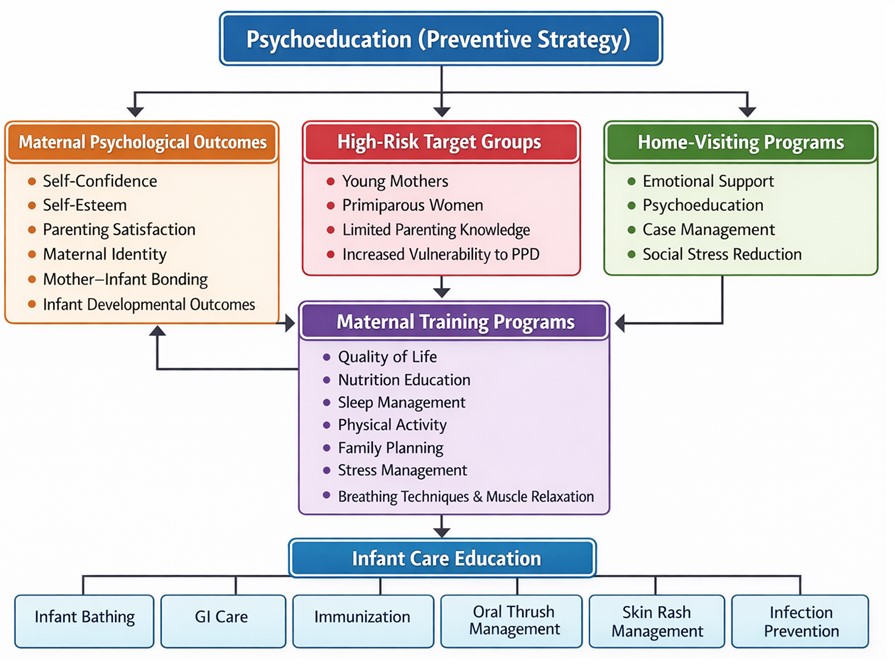
Figure 1. Social Support in PPD Prevention.
Home-visiting programs represent one of the most widely implemented early childhood intervention models [44]. Typically delivered on a weekly or monthly basis, these programs aim to mitigate the impact of social stressors on maternal mental health by providing emotional support, psychoeducation, and case management from pregnancy until the child reaches five years of age. Milani et al. emphasized the positive influence of early social support through home visits on maternal adjustment to new life circumstances [45]. Although community volunteers may effectively provide parenting education and social support, their impact on maternal mental health and parenting stress appears limited, possibly due to insufficient training in mental health assessment. Christie and Bunting found that home visits by health visitors increased maternal satisfaction and reduced reliance on emergency medical services [46]. no significant improvements were observed in parenting practices or infant care outcomes. Maternal training programs often address broader aspects of quality of life, incorporating education on nutrition, sleep, physical activity, family planning, stress management, breathing techniques, and muscle relaxation. Infant care education covers essential topics like bathing, managing gastrointestinal discomfort, immunization, treating oral thrush and skin rashes, weight monitoring, and preventing infectious diseases. A supportive home environment is linked to lower depressive symptoms and improved quality of life, which enhances information delivery and psychosocial support.
Gaming App
A pilot investigation examined an innovative mobile gaming application, The Guardians, developed as a behavioral activation (BA) intervention for pregnant women experiencing elevated depressive symptoms [47]. In 2024, the U.S. FDA approved Rejoyn, a prescription smartphone app delivering cognitive behavioral therapy (CBT) exercises alongside timed engagement prompts, with randomized controlled trials showing greater reduction in depressive symptoms than a placebo app, highlighting a regulatory milestone for digital therapeutics in depression treatment [48]. An overview of current app-based interventions for postpartum depression is provided in Table 1.
Non-pharmacological and Digital Interventions
Cognitive Behavioral Therapy (CBT) is a structured, time-limited psychotherapeutic intervention designed to assist individuals in identifying and modifying maladaptive behaviors and distorted cognitive patterns that contribute to depressive symptomatology. The approach integrates cognitive restructuring, psychoeducation, and behavioral modification techniques to foster more adaptive thinking styles and to develop effective coping mechanisms. In low and middle income countries, telephonic delivery of CBT has emerged as a practical strategy to expand access to mental health services, particularly in contexts where awareness of PPD and availability of care are limited. A randomized controlled trial conducted by Fuhr et al. in India demonstrated the feasibility of task-shifting, wherein trained laywomen from local communities delivered CBT-based interventions [54] The study reported a moderate reduction in depressive symptoms, supporting this model as a cost-effective and scalable alternative to specialist-led care.
The “Happiness, Understanding, Giving, and Sharing” (HUGS) program is an intervention aimed at strengthening mother–infant bonding among mothers experiencing PPD, addressing evidence that maternal depression adversely affects early relational development [55]. This program extends beyond symptom management by equipping mothers with practical relational and caregiving skills. The first session focuses on interactive play, the significance of physical closeness, identification of bonding difficulties, and problem-solving strategies. The second session emphasizes recognizing and interpreting infant cues while promoting positive engagement through structured activities. In the third session, mothers are guided in responding sensitively to their infants’ signals and in challenging negative cognitions that may interfere with nurturing interactions. Telehealth and online CBT delivery have expanded with peer-delivered group CBT, showing significant reductions in depressive and anxiety symptoms and improvements in social support and infant outcomes, and remain beneficial up to months post-intervention, highlighting peer support as a scalable model for PPD care [56]. In brief 1-day peer-delivered CBT workshops delivered online also significantly reduce PPD symptoms and associated anxiety, parenting stress, and improve mother-infant relationships while being cost-effective [57]. AI and digital tools incorporating conversational agents and digital screening show potential for expanding access to psychotherapeutic support and early intervention [58-60].
Interpersonal Psychotherapy (IPT) primarily concentrates on the enhancement of interpersonal functioning as a pathway to improving psychological well-being. Its efficacy has been empirically examined across a range of mental health conditions, including depressive disorders, anxiety disorders, and post-traumatic stress disorder. Owing to its adaptable structure, IPT can be implemented in diverse contexts such as inpatient facilities, community settings, and individual outpatient care. The therapeutic model is grounded in the premise that an individual’s emotional state is closely linked to the quality of their relationships and to significant life events. IPT conceptualizes distress within four principal interpersonal domains: bereavement, role transitions, social isolation, and interpersonal disputes. Treatment typically unfolds in three structured phases. The initial stage involves establishing a therapeutic alliance, conducting a comprehensive psychosocial assessment, and developing a clinical formulation. During this phase, the therapist identifies salient interpersonal problem areas and collaborates with the client to create a focused treatment plan. Empirical findings, such as those reported by Xang et al., indicate that IPT delivered for periods exceeding twelve weeks to mothers experiencing depression was associated with reductions in Edinburgh Postnatal Depression Scale (EPDS) scores and improved family-related satisfaction [61].
Internet-Based Intervention
A randomized controlled trial (RCT) in the United Kingdom, known as Netmums, implemented a 12-session web-based intervention targeting participants who had elevated scores on the Edinburgh Postnatal Depression Scale (EPDS) [62]. The structured program addressed themes including maternal depression, the transition to motherhood, and infant care. The study incorporated opportunities for postpartum mothers to interact with fellow participants, thereby facilitating peer support an important psychosocial component.
Similarly, an interventional study conducted in Germany by Schmidt JH et al., PandaMom, utilized a cognitive behavioral therapy (CBT) framework delivered through a self-guided digital platform [63]. Eligible individuals gained program access following online registration. The intervention comprised psycho- educational content, self-assessment tools, structured workbooks, and exercise-based video materials. Such technology-driven interventions exemplify emerging directions in PPD research, highlighting innovative, scalable strategies for mental health support.
Bhardwaj A. et al conducted a study in Nepal involving mothers who scored above nine on the PHQ-9, indicating clinically relevant depressive symptoms. The study integrated digital health tools, including Android smartphones and smartwatches, to monitor physical activity patterns such as walking and vehicular movement [64]. Mothers experiencing depression were encouraged to engage in structured, mood-enhancing activities and to establish specific, achievable behavioral goals, for instance, temporarily entrusting the infant to a family member in order to visit a local market. Trained counselors provided follow-up support to ensure goal attainment. To assess mother–infant proximity, a Bluetooth beacon was attached to the infant’s clothing, enabling measurement of the physical distance between mother and child through signals captured by the mobile device. This metric was relevant given prior evidence suggesting that depressed mothers often experience limited social support and may spend disproportionate amounts of time exclusively with their children. Data collected from these monitoring systems were visualized through the mobile application Stand Strong, which served as a central platform for tracking behavioral indicators. Counselors reviewed these data during therapeutic sessions to inform personalized guidance.
Alternative medicine for PD
A randomized controlled trial conducted by Lewis and colleagues investigated postpartum women with a prior history of depression. Participants were assigned to one of three groups: a telephone-delivered exercise intervention, a telephone-based wellness and support program, or usual care, each implemented over six months [65]. The intervention was specifically designed to address common barriers to in-person participation, such as childcare responsibilities, travel expenses, and time limitations, while still providing individualized counseling. Findings indicated that women in the exercise intervention group experienced a greater reduction in depressive symptoms compared with those in the wellness/support group. Complementary evidence from a meta-analysis suggests that moderate-intensity aerobic exercise performed for 35–45 minutes yields more pronounced improvements in depression scores than either low- or high-intensity regimens [66,67]. CAT encompasses diverse modalities, including music, visual arts, dance, sculpture, drama, film, and poetry. These nonverbal forms of expression allow individuals to process emotions therapeutically without reliance on pharmacological treatment, which often increases acceptability among patients and families and may enhance adherence to care. Despite growing recognition of its psychological benefits, the integration of CAT into clinical practice particularly in the context of PPD) remains in its developmental stages. Healthcare institutions worldwide are increasingly acknowledging maternal mental health and exploring CAT as a supportive intervention.
The intervention consisted of 16 instructor-led sessions over eight weeks [68]. Participants who engaged in yoga demonstrated significant improvements in depression scores by the study’s conclusion. Acupuncture, a modality rooted in traditional Chinese medicine, has also been explored as an alternative treatment for depressive disorders. Although its application in PPD is debated, a systematic review and meta-analysis by Li et al. reported significant reductions in HDRS scores among postpartum women receiving acupuncture [69]. Infant massage programs led by trained facilitators have been associated with improved maternal infant bonding and reductions in depressive symptoms. Such programs provide opportunities for peer interaction, fostering social support among new mothers. Participants frequently report enhanced self-confidence and a stronger sense of attachment to their infants, attributed to increased quality of shared time, physical touch, and eye contact during massage activities.
Emerging noninvasive neuromodulation techniques, such as transcranial magnetic stimulation (TMS), have also been investigated for PPD, though evidence regarding efficacy and safety remains limited. In a study by Kim and colleagues, pregnant women in the latter half of gestation underwent 20 sessions of low-frequency (1 Hz) TMS administered at 100% of motor threshold to the right dorsolateral prefrontal cortex, totaling 6000 pulses [70] Seven out of ten participants exhibited substantial reductions in depressive symptoms without reported fetal harm. Light therapy, which involves exposure to a calibrated light source, has likewise been studied for depressive disorders. By stimulating intrinsically photosensitive retinal ganglion cells, it may improve mood and regulate sleep patterns. An early open-label trial involving pregnant women with major depressive disorder demonstrated significant symptom improvement following light therapy.
Acupuncture, a traditional Chinese medical practice involving needle insertion and manipulation at specific body points, has been explored as a treatment for depressive disorders with mixed findings. Its use during pregnancy has expanded, particularly as an adjunctive intervention for conditions such as nausea, pain, breech presentation, and labor induction. In a comparative study, Manber et al. evaluated depression-specific acupuncture against both nonspecific acupuncture and massage controls in pregnant individuals with depression [71].
Conclusion
PPD represents a substantial public health concern, exerting profound and enduring effects on maternal psychological well-being as well as on mother–infant attachment and early relational development. Although pharmacological approaches, particularly antidepressant medications, continue to constitute the conventional standard of care, increasing attention is being directed toward non-pharmacological interventions. These approaches are especially relevant for breastfeeding mothers, for whom concerns about medication-related adverse effects often influence treatment decisions. Evidence indicates that such therapeutic modalities can effectively reduce depressive symptomatology while simultaneously promoting healthier maternal behaviors and strengthening mother–child bonding. Despite their promise, significant challenges persist, including limited accessibility, insufficient personalization of treatment strategies, and a shortage of large-scale, methodologically rigorous research. Future research must aim at optimizing interventions, implementing well-structured clinical trials, and systematically sharing results. In supporting these efforts through sustained funding, ensuring equitable access, encouraging family-wide awareness and involvement, promoting cultural relevance, and integrating these services into routine maternal healthcare systems.
Conflict of interest
Conflict of interest declared none.
References
- Panolan S. Prevalence and associated risk factors of postpartum depression in India: A comprehensive review. J Neurosci Rural Pract. 2024;15(1):1. doi:10.25259/JNRP_584_2023
- Vilarim M, Rebelo F, Vieira I, Mazzoli F, Carta MG, Nardi AE, Marano D. Prevalence of postpartum depression symptoms in high-income and low-and middle-income countries in the COVID-19 pandemic: a systematic review with meta-analysis. Braz J Psychiatry. 2024;46:e20 233453. doi:10.47626/1516-4446-2023-3453
- Rasmussen ML, Poulsen GJ, Wohlfahrt J, Videbech P, Melbye M. Familial risk of postpartum depression. Acta Psychiatr Scand. 2022;146 (4):340-9. doi:10.1111/acps.13465
- Wu X, Jin R. Effects of postpartum hormonal changes on the immune system and their role in recovery. Acta Biochim Pol. 2025;72:14241. doi:10.3389/abp.2025.14241
- Quiroz-Aldave JE, Gamarra-Osorio ER, del Carmen Durand-Vásquez M, del Pilar Rafael-Robles L, Gonzáles-Yovera JG, Quispe-Flores MA, et al. From liver to hormones: The endocrine consequences of cirrhosis. World J Gastroenterol. 2024;30(9):1073. doi:10.3748/wjg.v30.i9.1073
- Kraus V Jr, Čižmárová B, Birková A. When your body tells you to not breastfeed—The connivance of oxytocin, prolactin, and dopamine. Int J Mol Sci. 2025;26(12):5909. doi:10.3390/ ijms26125909
- McLaren S, Seidler K, Neil J. Investigating the role of 17β-estradiol on the serotonergic system, targeting soy isoflavones as a strategy to reduce menopausal depression: a mechanistic review. J Am Nutr Assoc. 2024;43(3):221-35. doi:10.1080/27697061.2023.2255237
- Bendis PC, Zimmerman S, Onisiforou A, Zanos P, Georgiou P. The impact of estradiol on serotonin, glutamate, and dopamine systems. Front Neurosci. 2024 Mar 22; 18: 1348551. DOI: 10.3389/ fnins.2024.1348551
- Bocianska K, Bochynski H, Markwitz M, Katulski K. Prolactin’s diverse physiological roles and the clinical significance of hyperprolactinemia. Ginekol Pol. 2025. doi:10.5603/gpl.105311
- Erickson EN, Carter CS, Emeis CL. Oxytocin, vasopressin and prolactin in new breastfeeding mothers: Relationship to clinical characteristics and infant weight loss. J Hum Lact. 2020;36(1): 136-45. doi:10.1177/0890334419 838225
- Uvnäs-Moberg K, Ekström-Bergström A, Buckley S, Massarotti C, Pajalic Z, Luegmair K, et al. Maternal plasma levels of oxytocin during breastfeeding-A systematic review. PLoS One. 2020;15(8):e0235806. doi:10.1371/journal. pone. 0235806
- Johnston RC, Faulkner M, Carpenter PM, Nael A, Haydel D, Sandman CA, et al. Associations between placental corticotropin-releasing hormone, maternal cortisol, and birth outcomes, based on placental histopathology. Reprod Sci. 2020;27(9):1803-11. doi:10.1007/s43032-020- 00182-x
- Recharla M, Chakilam C, Kannan S, Nuka ST, Suura SR. Harnessing AI and machine learning for precision medicine: Advancements in genomic research, disease detection, and personalized healthcare. Am J Psychiatr Rehabil. 2025; 28(1):112-23. DOI: 10.69980/ajpr.v28i1.72
- Recharla M, Chava K, Chakilam C, Suura SR. Postpartum depression: Molecular insights and AI-augmented screening techniques for early intervention. Int J Med Toxicol Leg Med. 2024;27(5):935-57.
- Wang Y, Li O, Li N, Sha Z, Zhao Z, Xu J. Association between the BDNF Val66Met polymorphism and major depressive disorder: A systematic review and meta-analysis. Front Psychiatry. 2023;14:1143833. doi:10.3389/ fpsyt.2023.1143833
- Guintivano J, Byrne EM, Kiewa J, Yao S, Bauer AE, Aberg KA, et al. Meta-analyses of genome-wide association studies for postpartum depression. Am J Psychiatry. 2023;180(12): 884-95. doi:10.1176/appi.ajp.20230053
- Wu S, Shen M, Wang H, Zhou W. Druggable targets for postpartum depression: A Mendelian randomization and colocalization study. Cell Mol Neurobiol. 2025;45(1):61. doi:10.1007/ s10571-025-01581-x
- Lu H, Jin Y, Zhu L, Hou Y, Yu X, Wang L. Genetic evidence on the crucial role of immune cells in postpartum depression: Mendelian randomization analysis. Int J Gynecol Obstet. 2025;171(3): 1278-86. doi:10.1002/ijgo.70321
- Pacho M, Aymerich C, Pedruzo B, Salazar de Pablo G, Sesma E, Bordenave M, et al. Substance use during pregnancy and risk of postpartum depression: A systematic review and meta-analysis. Front Psychiatry. 2023;14:1264998. doi:10.3389/fpsyt.2023.1264998
- Grochowska A, Kmita G. Exploring the links between the quality of early mother–infant interactions and child physiological, behavioural, and developmental outcomes. J Mother Child. 2025;29(1):143-74.
- Taufiq D, Manda R. Behavioral manifestations of baby blues syndrome among postpartum mothers in Muara District, North Tapanuli Regency. Acta Psychol. 2024;2(4):123-30. doi:10. 35335/psychologia.v2i4.45
- Zawilska JB, Zwierzyńska E. Neuroactive steroids as novel promising drugs in therapy of postpartum depression-Focus on zuranolone. Int J Mol Sci. 2025 Jul 7;26(13):6545. DOI: 10.3390/ijms26136545
- Barnes KN, Vogl CM, Nelson LA. Zuranolone: The first FDA-approved oral treatment option for postpartum depression. Ann Pharmacother. 2024; 58(7):728-34. doi:10.1177/10600280231204953
- Wang L, Kroenke K, Stump TE, Monahan PO. Screening for perinatal depression with the Patient Health Questionnaire depression scale (PHQ-9): A systematic review and meta-analysis. Gen Hosp Psychiatry. 2021 Jan 1;68:74-82. DOI: 10.1016/j.genhosppsych.2020.12.007
- Cheng J, Ren Z, Rehman S, Zhou Z, Wang X, Wang Y, et al. Comparative assessment of patient health questionnaire-9 and Edinburgh postnatal depression scale for screening antenatal depression among Chinese pregnant women. J Affect Disord. 2025;376:104-12. doi: 10.1016/j.jad.2025.02.004
- Reddy DS, Mbilinyi RH, Estes E. Preclinical and clinical pharmacology of brexanolone (allopregnanolone) for postpartum depression: a landmark journey from concept to clinic in neurosteroid replacement therapy. Psychopharmacology. 2023 Sep;240(9):1841-63. DOI: 10.1007/ s00213-023-06427-2
- Dains C, Eversole M, Devoll K, Egbujor D, Petrunich M, Paphanchith M, Honaker J, McCord S, D’Souza M. FDA Approval of Zuranolone: A Breakthrough Treatment for Postpartum Depression. Pharm Wellness Rev. 2024;16(1):3.
- Bağcaz A, Özel B. The short-term effectiveness of antidepressants in a transdiagnostic sample and determinants of side effects and medication nonadherence. Front Psychiatry. 2025; 16:1752173. doi:10.3389/fpsyt.2025.1752173
- He W, Zhang S, Qi Z, Liu W. Unveiling the potential of estrogen: Exploring its role in neuropsychiatric disorders and exercise intervention. Pharmacol Res. 2024;204:107201. doi:10.1016/ j.phrs.2024.107201
- Larsen SV, Ozenne B, Mikkelsen AP, Liu X, Bang Madsen K, Munk-Olsen T, et al. Postpartum hormonal contraceptive use and risk of depression. JAMA Netw Open. 2025;8(3):e252474. doi: 10.1001/jamanetworkopen.2025.2474
- Kang HK, Bisht B, Kaur M, Alexis O, Worsley A, John D. Effectiveness of interpersonal psychotherapy in comparison to other psychological and pharmacological interventions for reducing depressive symptoms in women diagnosed with postpartum depression in low‐and middle‐income countries: A systematic review. Campbell Syst Rev. 2024 Jun;20(2):e1399. DOI: 10.1002/cl2.1399
- Hua G, Yue K, Zhu Y, Yang F, Zhou M. Different psychological interventions for perinatal depression: A systematic review and meta-analysis of randomized controlled trials. BMC Psychiatry. 2025;25:981. doi:10.1186/s12888-025-07462-3
- Behbehani F, Kowalski AJ, Selam H, Dombrowski E, Black MM. Childcare centre attendance and health, growth, and development among children aged 0–3 years in low-and middle-income countries: a systematic review. J Glob Health. 2024 Feb 23;14:04028. DOI: 10.7189/jogh.14.04028
- Lackie ME, Parrilla JS, Lavery BM, Kennedy AL, Ryan D, Shulman B, Brotto LA. Digital health needs of women with postpartum depression: focus group study. J Med Internet Res. 2021 Jan 6;23(1):e18934. DOI: 10.2196/18934
- Nicoletti AE, Rizzi S, Fait S, Mayora-Ibarra O. Prevention of postpartum depression via a digital ACT-based intervention. Behav Sci. 2025; 15(12):1723. doi:10.3390/bs15121723
- Kargbo RB. Neurosteroids and postpartum depression: Mechanism, efficacy, and approval of brexanolone and zuranolone. ACS Med Chem Lett. 2023;14(10):1326-8. doi:10.1021/acsmedchemlett.3c00388
- Suradom C, Suttajit S, Oon-Arom A, Maneeton B, Srisurapanont M. Omega-3 PUFA supplementation for prevention and treatment of perinatal depression. Nord J Psychiatry. 2021;75 (4):239-46. doi:10.1080/08039488.2020.1843710
- Amza M, Haj Hamoud B, Sima RM, Dinu MD, Gorecki GP, Popescu M, et al. DHA and EPA—Should they be mandatory supplements in pregnancy? Biomedicines. 2024;12(7):1471. doi:10.3390/biomedicines12071471
- Harauma A, Yoshihara H, Hoshi Y, Hamazaki K, Moriguchi T. Effects of varied omega-3 fatty acid supplementation on postpartum mental health. Nutrients. 2023;15(20):4388. doi:10. 3390/nu15204388
- Hwang DJ, Cho JY, Hyun AH. Contactless exercise intervention in prenatal and postnatal period during COVID-19 lowers the risk of postpartum depression. Sci Rep. 2024;14(1): 9780. doi:10.1038/s41598-024-60658-7
- Badon SE, Oberman N, Ramsey M, Quesenberry CP, Kurtovich E, Gomez Chavez L, Brown SD, Albright CL, Bhalala M, Avalos LA. Effect of a tailored eHealth physical activity intervention on physical activity and depression during postpartum: randomized controlled trial (The Postpartum Wellness Study). JMIR Ment Health. 2025 May 22;12:e64507. doi:10.2196/64507.
- Prabhu S, George LS, Guruvare S, Noronha JA, Jose TT, Nayak BS, George A, Mayya S. Effectiveness of psychosocial education program on postnatal depression, stress, and perceived maternal parenting self-efficacy among pregnant women in South India. Patient Educ Couns. 2025 Jan 1;130:108458. doi:10.1016/j.pec.2024.108458.
- Surkan PJ, Malik A, Perin J, Atif N, Rowther A, Zaidi A, Rahman A. Anxiety-focused cognitive behavioral therapy delivered by non-specialists to prevent postnatal depression: a randomized, phase 3 trial. Nat Med. 2024 Mar;30(3):675-682. doi:10.1038/s41591-024-02809-x.
- Bower KM, Nimer M, West AL, Gross D. Parent involvement in maternal, infant, and early childhood home visiting programs: An integrative review. Prevention Science. 2020 Jul;21 (5):728-47
- Zieß V, Seefeld L, Mojahed A, Martini J, Asselmann E, Schellong J, Garthus-Niegel S. Support preferences among women with and without postpartum depression and anxiety disorder. BMC Public Health. 2025 Sep 12;25(1):3048. doi:10.1186/s12889-025-24274-y.
- Goodman WB, Dodge KA, Bai Y, Murphy RA, O’Donnell K. Effect of a universal postpartum nurse home visiting program on child maltreatment and emergency medical care at 5 years of age: a randomized clinical trial. JAMA Netw Open. 2021 Jul 7;4(7):e2116024. doi:10.1001/ jamanetworkopen.2021.16024.
- Vanderkruik RC, Ferguson C, Kobylski LA, Locascio JJ, Hamlett GE, Killenberg PC, Lewis R, Jones N, Rossa ET, Dineen H, Picard R. Testing a behavioral activation gaming app for depression during pregnancy: multimethod pilot study. JMIR Form Res. 2024 Jan 26;8(1): e44029. doi:10.2196/44029.
- Park B. FDA clears prescription digital therapeutic for major depressive disorder. Clin Advisor. 2024 Apr 3.
- Zuccolo PF, Brunoni AR, Borja T, Matijasevich A, Polanczyk GV, Fatori D. Efficacy of a standalone smartphone application to treat postnatal depression: a randomized controlled trial. Psychother Psychosom. 2024 Dec 3;93(6): 412-424. doi:10.1159/000541311.
- Poleshuck E, Fox D, Abar B, Maeng D, Bilinski T, Beers L, Rosen J, Zlotnick C. Randomized clinical trial protocol of an app-based intervention to prevent postpartum depression. Contemp Clin Trials. 2025 Feb 1;149:107800. doi:10.1016/ j.cct.2024.107800.
- Liang Y, Wang S, Tao J, Yao Z, Yao Y, Zhai J. Effects of lifestyle intervention by a nurse-led app on the prevention of symptoms in postpartum women: a randomized controlled trial. BMC Nurs. 2025 Jul 3;24(1):829. doi:10.1186/ s12912-025-03379-0.
- Lewkowitz AK, Guillen M, Ursino K, Baker R, Lum L, Battle CL, Ware C, Ayala NK, Clark M, Ranney ML, Miller ES. Optimizing a novel smartphone app to prevent postpartum depression adapted from an evidence-based cognitive behavioral therapy program: qualitative study. JMIR Hum Factors. 2024 Dec 9;11:e63143. doi:10.2196/63143.
- Marciniak M. Powerly – science-based digital intervention preventing postpartum depression and anxiety. ClinicalTrials.gov [Internet]. Bethesda (MD): National Library of Medicine (US); 2024 Sep 24 [cited 2026 Mar 9]. Available from: https://clinicaltrials.gov/study/NCT066 10552
- Michelson D, Malik K, Parikh R, Weiss HA, Doyle AM, Bhat B, Sahu R, Chilhate B, Mathur S, Krishna M, Sharma R. Effectiveness of a brief lay counsellor-delivered problem-solving intervention for adolescent mental health problems in urban, low-income schools in India: a randomised controlled trial. Lancet Child Adolesc Health. 2020 Aug 1;4(8):571-582. doi:10.1016/S2352-4642(20)30173-5.
- Holt C, Gentilleau C, Gemmill AW, Milgrom J. Improving the mother-infant relationship following postnatal depression: a randomised controlled trial of a brief intervention (HUGS). Arch Womens Ment Health. 2021 Dec;24(6): 913-923. doi:10.1007/s00737-021-01116-5.
- Merza D, Amani B, Savoy C, Babiy Z, Bieling PJ, Streiner DL, Ferro MA, Van Lieshout RJ. Online peer-delivered group cognitive-behavioral therapy for postpartum depression: a randomized controlled trial. Acta Psychiatr Scand. 2024 Nov;150(5):422-432. doi:10.1111/acps.13611.
- Babiy Z, Layton H, Savoy CD, Xie F, Brown JS, Bieling PJ, Streiner DL, Ferro MA, Van Lieshout RJ. One-day peer-delivered cognitive behavioral therapy-based workshops for postpartum depression: a randomized controlled trial. Psychother Psychosom. 2024 Apr 4;93(2): 129-140. doi:10.1159/000536040.
- Gual-Montolio P, Jaén I, Martínez-Borba V, Castilla D, Suso-Ribera C. Using artificial intelligence to enhance ongoing psychological interventions for emotional problems in real-or close to real-time: a systematic review. Int J Environ Res Public Health. 2022 Jun 24;19 (13):7737. DOI: 10.3390/ijerph19137737
- Olukayode SM, Arogundade B, Adebanjo AO, Kalu OC. Digital mental health interventions and ai in therapy. Int Res J Mod Eng Technol Sci. 2024;6(09):2890-907
- Hawke LD, Hou J, Nguyen AT, Phi T, Gibson J, Ritchie B, Strudwick G, Rodak T, Gallagher L. Digital conversational agents for the mental health of treatment-seeking youth: Scoping review. JMIR Ment Health. 2025 Nov 7;12(1):e 77098. DOI: 10.2196/77098
- Wang X, Qiu Q, Shen Z, Yang S, Shen X. A systematic review of interpersonal psychotherapy for postpartum depression. J Affect Disord. 2023 Oct 15;339:823-831. doi:10.1016/j.jad.2023. 07.067.
- O’Mahen HA, Richards DA, Woodford J, Wilkinson E, McGinley J, Taylor RS, Warren FC. Netmums: a phase II randomized controlled trial of a guided Internet behavioural activation treatment for postpartum depression. Psychol Med. 2014 Jun;44(8):1675-1689. doi:10.1017/ S0033291713002092.
- Schmidt-Hantke J, Vollert B, Nacke B, Hagner F, Brüderl H, Jacobi C. PandaMom—feasibility and acceptability of an internet- and mobile-based intervention to enhance peripartum mental well-being and to prevent postpartum depression. Internet Interv. 2024 Sep 1;37:100765. doi:10.1016/j.invent.2024.100 765.
- van Heerden A, Poudyal A, Hagaman A, Maharjan SM, Byanjankar P, Bemme D, Thapa A, Kohrt BA. Integration of passive sensing technology to enhance delivery of psychological interventions for mothers with depression: the StandStrong study. Sci Rep. 2024 Jun 12;14(1) :13535. doi:10.1038/s41598-024-63232-3.
- Lewis BA, Schuver K, Dunsiger S, Samson L, Frayeh AL, Terrell CA, Ciccolo JT, Fischer J, Avery MD. Randomized trial examining the effect of exercise and wellness interventions on preventing postpartum depression and perceived stress. BMC Pregnancy Childbirth. 2021 Nov 22;21(1):785. doi:10.1186/s12884-021-04257-8.
- Xu H, Liu R, Wang X, Yang J. Effectiveness of aerobic exercise in the prevention and treatment of postpartum depression: meta-analysis and network meta-analysis. PLoS One. 2023 Nov 29;18(11):e0287650. doi:10.1371/journal.pone. 0287650.
- He J, Zhang Z. Healing potential of art therapy: a narrative review of neuro-psycho-cultural mechanisms in mental health. Front Psychol. 2025;16:1662772. doi: 10.3389/fpsyg.2025. 1662772.
- Ruan W, Zhang B, Ma J, Ke H. The effect of yoga on women with postpartum depression: a meta-analysis. Int J Yoga. 2025 May 1;18(2): 106-114. doi:10.4103/ijoy.ijoy_283_24.
- Fang X, Wang X, Zheng W, Han J, Ge X. Efficacy and safety of electroacupuncture in patients with postpartum depression: a meta-analysis. Front Psychiatry. 2024 Jul 11;15:1393531. doi: 10.3389/fpsyt.2024.1393531.
- Angeline S, Tiyatiye B, Akosile W. Transcranial magnetic stimulation in pregnancy: efficacy, safety, and future implications for perinatal mental health care. Brain Behav. 2025 Feb;15 (2):e70304. doi:10.1002/brb3.70304.
- Ormsby SM, Smith CA, Dahlen HG, Hay PJ. The feasibility of acupuncture as an adjunct intervention for antenatal depression: a pragmatic randomised controlled trial. J Affect Disord. 2020 Oct 1;275:82-93. doi:10.1016/j.jad.2020. 05.089.